Micro drama look test · 9:16

Same two characters, every shot, five lip-synced lines.

A ~27-second Episode 1 I made for this proposal, with my own short story: two flatmates, an early-morning kitchen, a note on the fridge and a twist in the freezer. Grounded, premium look, captions burned in for mute viewing, real dialogue and frame-synced sound with sound on.

  • 9 shots · medium, inserts, close-ups, over-the-shoulder
  • 2 invented characters · Maya (plain black crew-neck tee) and Theo (olive overshirt)
  • Lip-synced dialogue · five lines across both characters, captions word for word
  • First 3 s work on mute · hook caption from frame one

1080 × 1920 · 30 fps · ~27 s · sound on recommended

How faces and outfits stay identical

Everything starts from one character reference sheet. Every shot is generated from that sheet, and every clip is animated from an approved still, so face, hair, earrings and garments are locked before any motion happens.
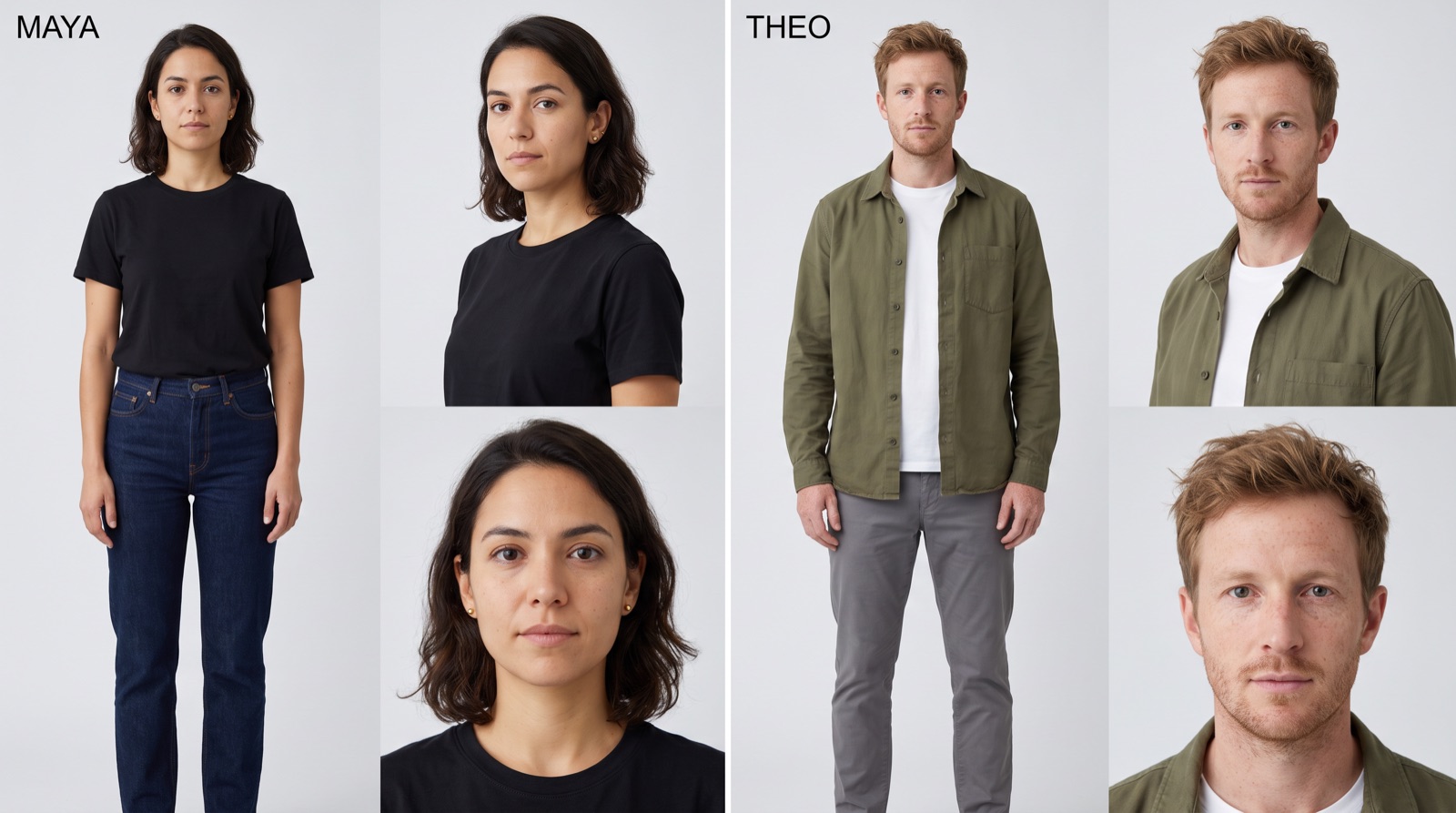
Character reference sheet for Maya and Theo

Character reference sheet: full body, three-quarter and close-up per character, neutral light.
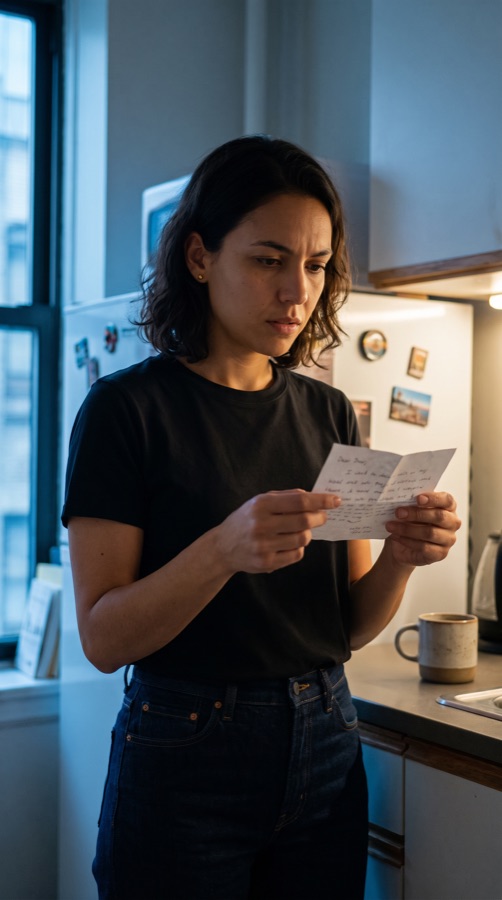
Maya reads the note, medium shot

Shot 1 · mediumMaya, black crew-neck tee reads as real cotton
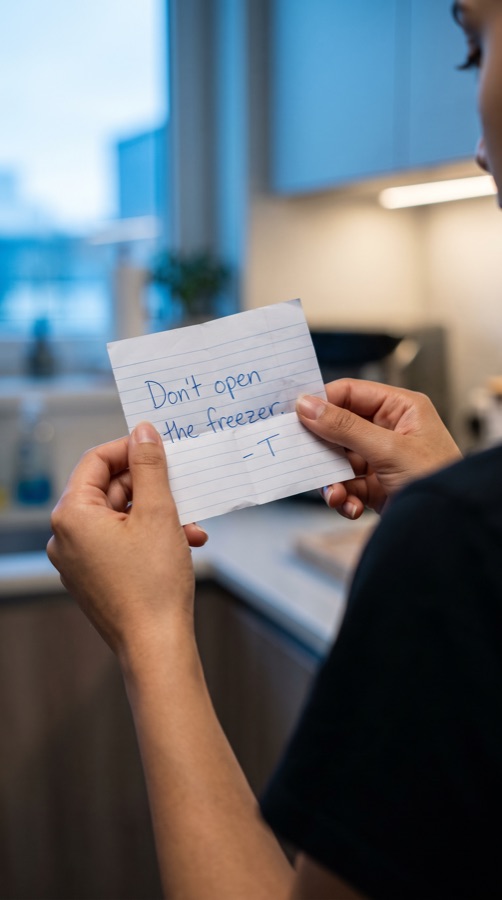
Insert of the handwritten note

Shot 2 · insertsame hands, same tee sleeve, legible note
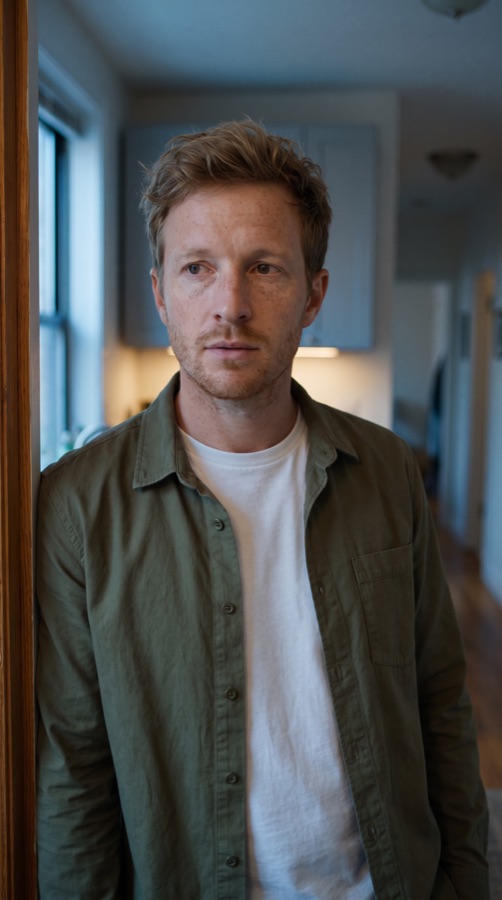
Theo in the doorway

Shot 3 · dialogueTheo, lip-synced line with native voice
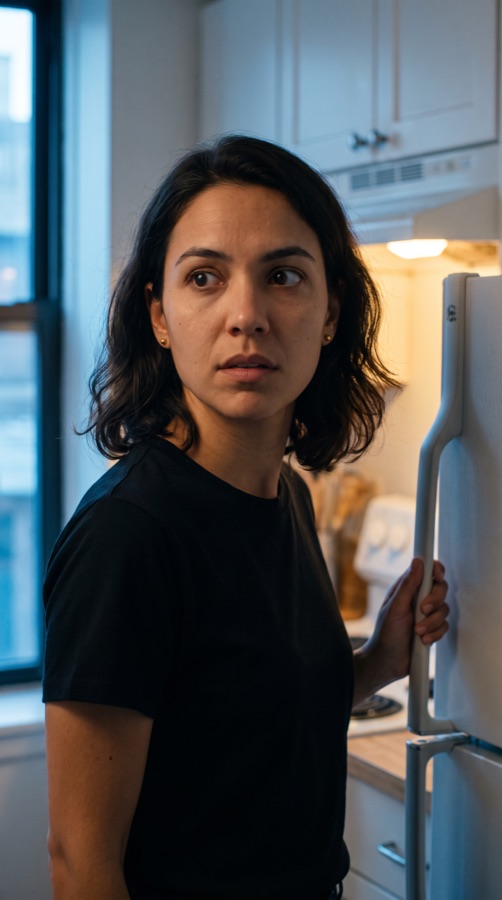
Maya at the freezer, close-up

Shot 4 · close-upMaya again: same face, hair, earrings, tee
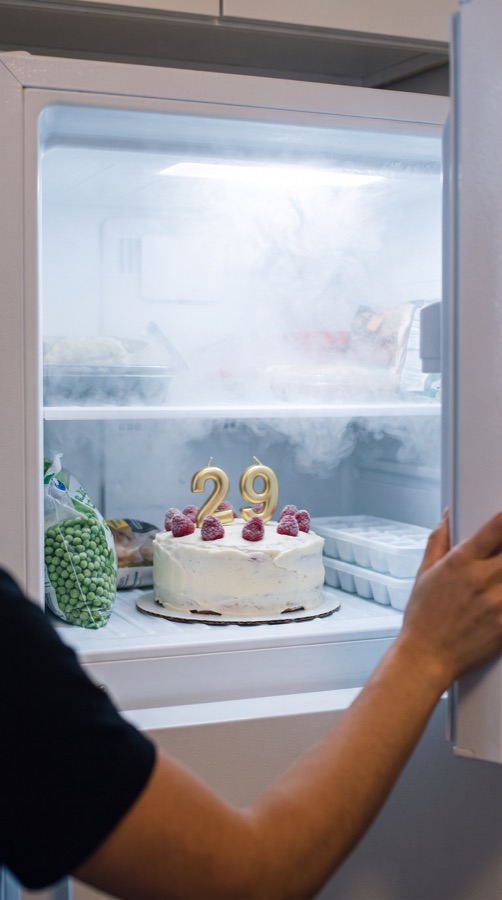
The reveal in the freezer

Insert · payoffsame kitchen, same tee sleeve
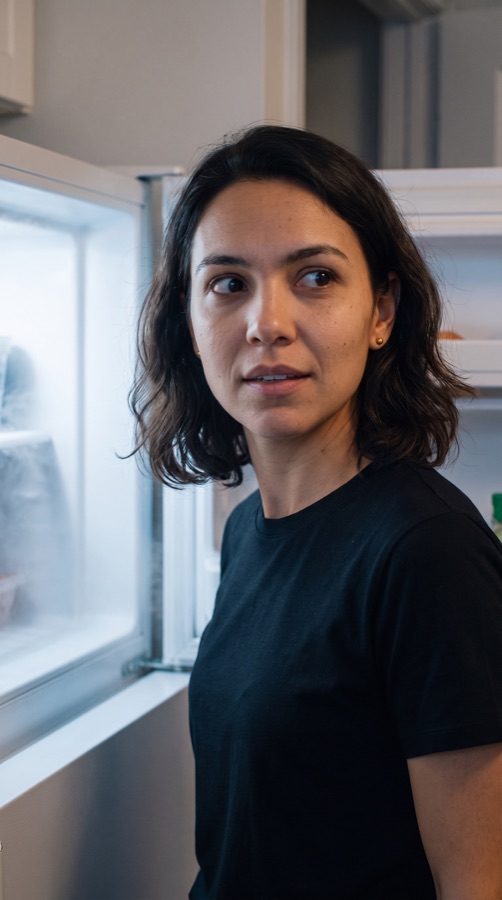
Maya at the open freezer

Close-upMaya in freezer light, identity holds
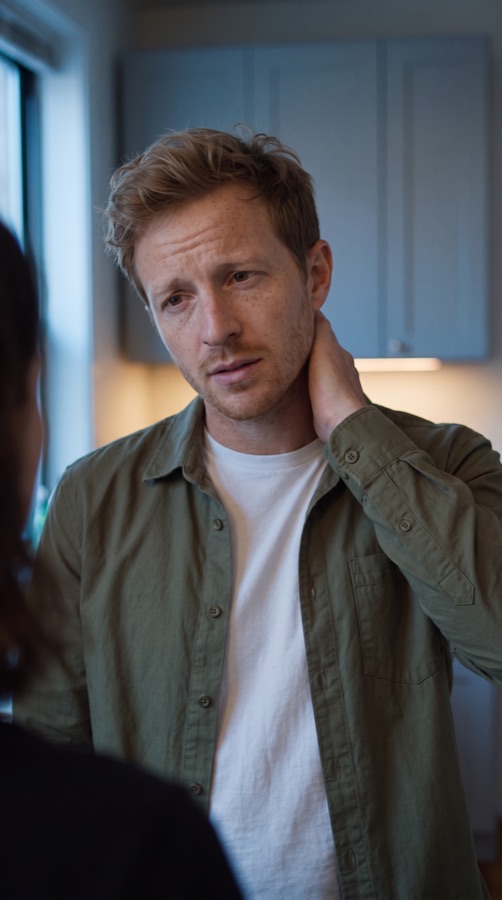
Theo over the shoulder

Over-the-shoulderTheo with Maya in foreground

The workflow

Small number of generations, checked at full size before anything goes into the edit.

Character sheet

One sheet per cast: face, hair, wardrobe from three angles. This is the identity reference for the whole series.

Stills per shot

Each frame is generated with the sheet as image reference, then checked at full size: face, hands, five fingers, garment texture, continuity.

Image-to-video

Every clip starts from its approved still, so the identity can’t drift. The dialogue shot is generated with native voice and lip-sync in one pass.

Edit & captions

Cut to rhythm, burned-in captions inside the Reels safe zone, only sounds that match what is on screen (paper, door frame, fridge, freezer seal) over quiet room tone, dialogue on top, mixed to −14 LUFS, frame-checked for cut-off text.

Tools and commercial-use terms

Everything here is licensed for commercial use. No real person’s likeness or voice, no copyrighted IP, no third-party music. Sora and Veo 3.1 Preview were not used.

StepToolCommercial use
Reference sheet + stillsNano Banana Pro via Krea (paid plan)Paid Krea plans allow commercial use of generated images.
Motion + dialogueKling 3.0 / 3.0 Turbo, image-to-video, native audio (paid membership)Paid Kling membership allows commercial use; output downloaded without platform watermark. One still (the freezer insert) made with Nano Banana Pro inside Kling.
VoiceKling native audio, synthetic voiceGenerated voice, no cloning of a real person.
Room tone + foleyElevenLabs Sound Effects (Creator plan)Creator plan includes a commercial license.
Tension padSelf-generated low drone (synthesized in ffmpeg)Own work, no third-party music.
Edit, captions, mixffmpeg, Python, Inter typefaceOpen source; Inter is under the SIL Open Font License.

The diagonal watermark is only on this free test. Paid deliveries are clean.

How Stage 2 would look

  • Your two characters locked as a reusable cast: sheet + saved character elements, used for every episode
  • One fixed voice per character, so voices match across episodes
  • Your script as written, 6–8 s, with 2–3 hook variants for testing
  • Caption template in your brand style, safe for Reels UI
  • Wardrobe and props kept identical, including plain unbranded garments
  • Fast turnaround per episode once the cast is locked